Our heart works tirelessly, and the oil we use daily plays a quiet yet important role in keeping it healthy.
Nutrition experts in India often emphasis choosing oils wisely instead of cutting them out completely. The key lies in balance, moderation, and variety.
What Makes an Oil Heart-Friendly?
A heart-friendly oil usually:
- – Is naturally cholesterol-free
- – Has moderate to low saturated fat
- – Contains MUFA & PUFA, the good fats that support heart health
- – Meets FSSAI guidelines for edible oils
Oils Commonly Suggested for Daily Use
Based on insights from Indian nutritionists:
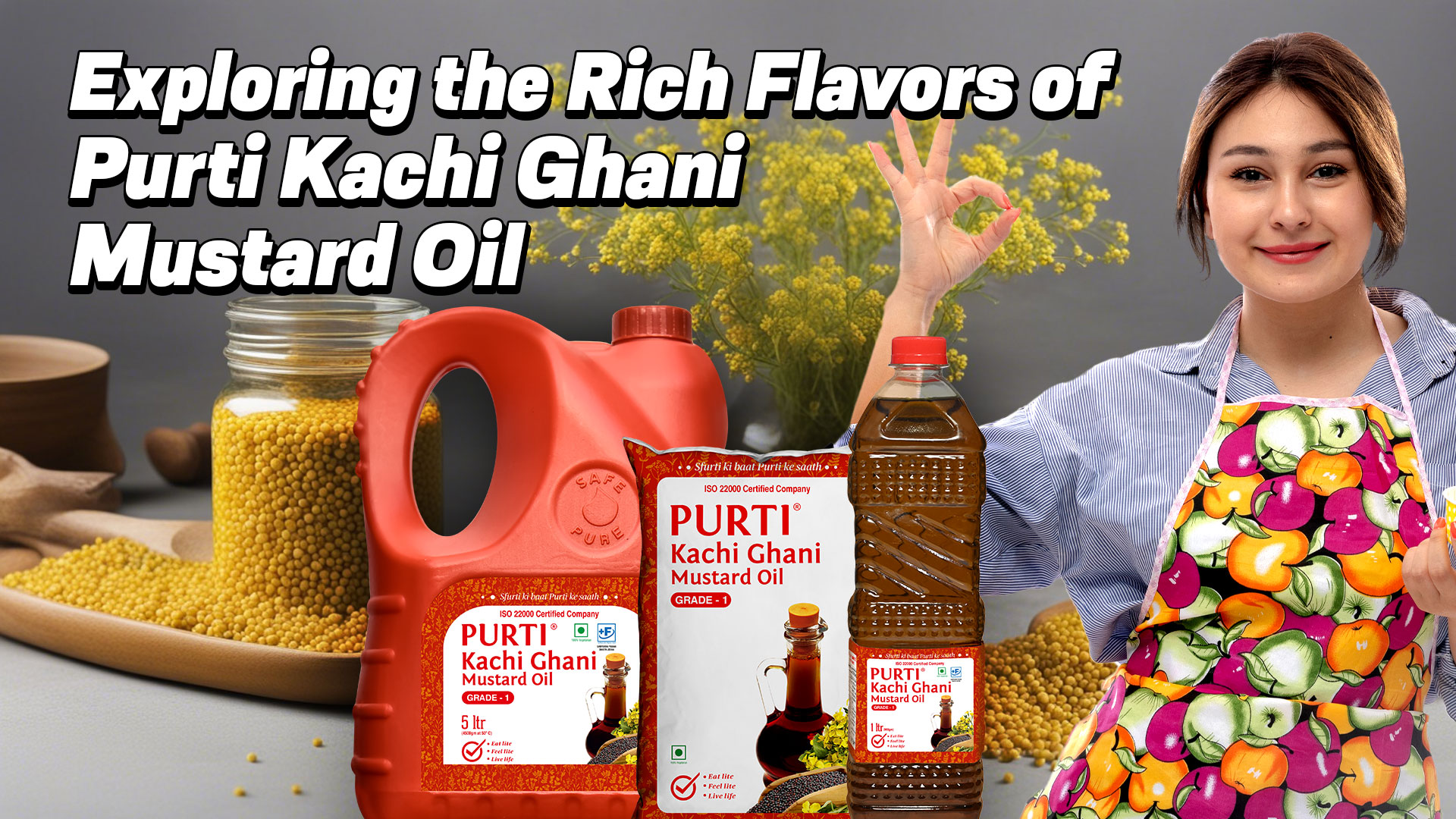
1.Mustard Oil
- – Rich in MUFA
- – Adds a traditional flavour to Indian dishes
- – Good for sauteing, stir-frying, and shallow frying
2. Sunflower Oil
- – Light, neutral taste
- – Rich in PUFA for balanced cooking
3. Soybean Oil
- – Balanced MUFA + PUFA profile
- – Commonly used for Indian everyday cooking
4. Rice Bran Oil
- – Contains natural oryzanol, often associated with cholesterol management
- – Stable at higher cooking temperatures
What About Ghee, Coconut Oil, and Butter?
Nutritionists often remind us that no food needs to be completely excluded when used in moderation.
- – Ghee Aromatic and suitable in small amounts, thanks to its higher smoke point
- – Coconut Oil Stable at high temperatures, works for regional cuisines; best used in moderation
- – Butter & Full-Fat Dairy Can be enjoyed occasionally, as part of a balanced diet
Smart Oil Strategies Experts Suggest
- – Rotate oils: Mix MUFA-rich and PUFA-rich oils across the week
- – Measure daily use: Around 20-25 g (4-5 teaspoons) per person per day
- – Avoid reuse: Don’t reheat or repeatedly reuse deep-frying oil
Tip of the Week
Your body doesn’t need zero oil it needs the right type of oil, in the right amount.
Coming Up Next Week
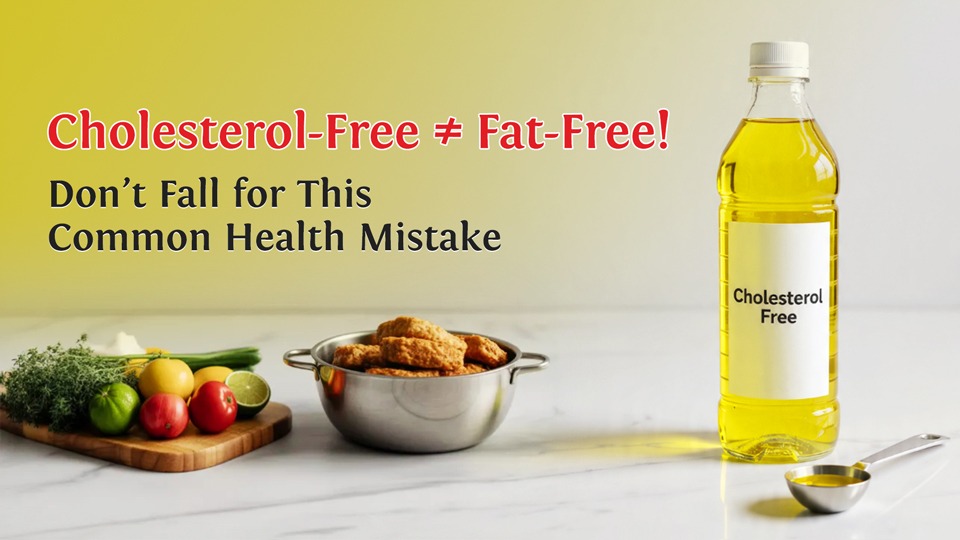
We’ll answer: Does Cholesterol-Free Mean Fat-Free?and share simple tips for storing oils to keep nutrients and taste intact.
Till then, eat smart, feel light.
Video Link: https://youtu.be/TRxxjM8MWok
Disclaimer: This blog is for general awareness only. It is not a substitute for professional medical or dietary advice. Please consult your doctor or nutritionist for personalised guidance.