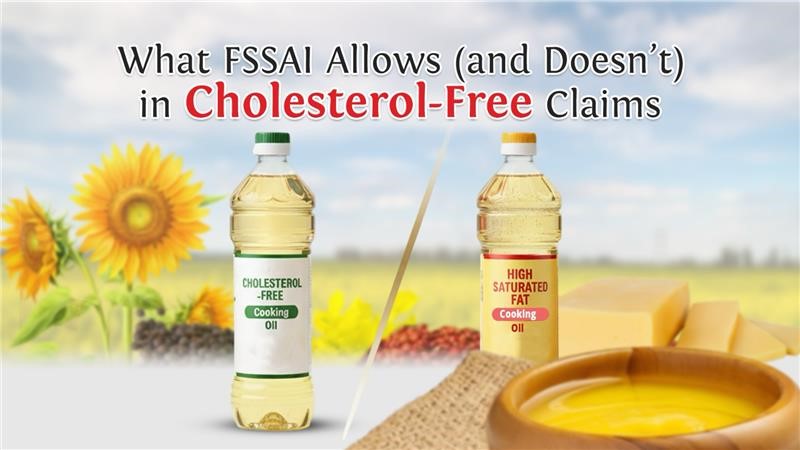
If all vegetable oils are naturally cholesterol-free, why don’t they all carry the “cholesterol-free” label?
This week, we discuss what FSSAI – India’s food safety authority – allows regarding cholesterol claims, and how you can use that knowledge to make better choices.
Quick Recap: Where Does Cholesterol Come From?
Cholesterol is found only in foods of animal origin – like eggs, meat, butter, ghee, and full-fat dairy.
Vegetable oils, being plant-based, naturally do not contain cholesterol.
But… here’s the important part: FSSAI has specific rules before any brand can claim “cholesterol-free” on the label.
What FSSAI Allows for Cholesterol-Free Claims
According to FSSAI, a food product can only be called “cholesterol-free” when:
- It contains less than 2 mg of cholesterol per 100 g or 100 ml
- It contains less than 1.5 g of saturated fat per 100 ml (for liquids)
- The label clearly shows these values in the nutrition table
That means – even if a vegetable oil has zero cholesterol, if its saturated fat level is high, it cannot be labelled as “cholesterol-free.”
Examples of Oils and FSSAI Compliance
Let’s take a few common oils and see how they typically measure up:
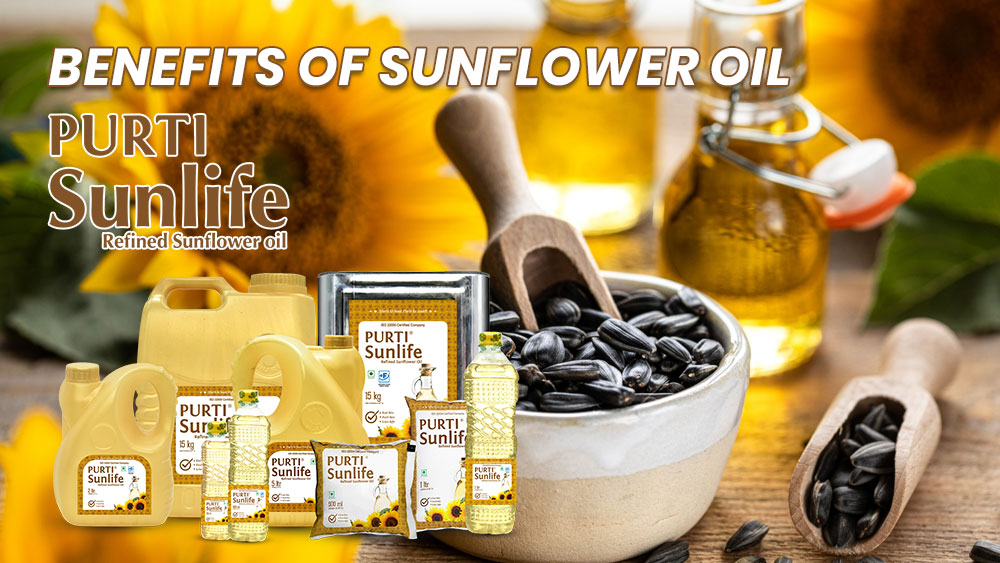
– Sunflower Oil
– Soybean Oil
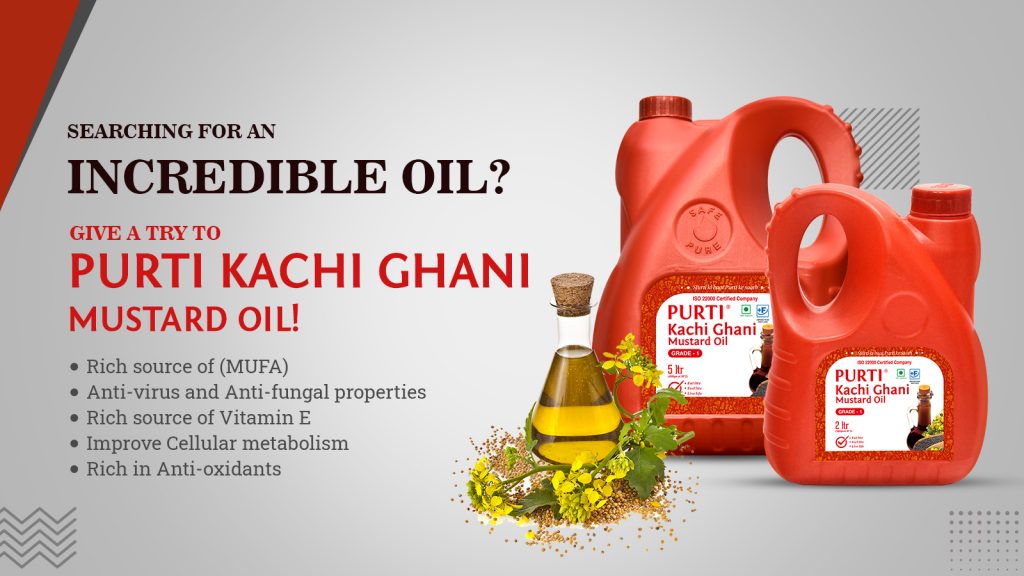
– Mustard Oil
– Rice Bran Oil
– Coconut Oil (High saturated fat)
– Palm Oil / Palmolein (High saturated fat)
Ghee, butter, and other dairy fats – though rich in nutrition – naturally contain cholesterol and do not qualify under FSSAI’s “cholesterol-free” criteria. But when used in moderation, they still offer traditional value and richness.
Smart Tips While Shopping
- Always check the nutrition label, not just the front
- Look for **cholesterol <2 mg** and **saturated fat <1.5 g per 100ml**
- Choose oils with a good fat profile (MUFA, PUFA)
- Use traditional fats like ghee or butter as flavour enhancers – not primary cooking fats
Tip of the Week:
“Every oil has its place. The trick is to know where and how to use it.”
Coming Up Next Week:
“Freedom from Myths – Top 5 Lies We Believe About Cholesterol & Oil” & BONUS TIP “How Much Oil Should You Really Use Daily?”
Stay informed, stay balanced.
Video Link: https://youtu.be/ctmsrFjMQXk
Disclaimer: This article is for informational purposes only and is not a substitute for professional medical advice. Always consult a healthcare professional or a registered dietitian before making significant changes to your diet or health regimen. The products mentioned are part of a balanced diet and a healthy lifestyle.