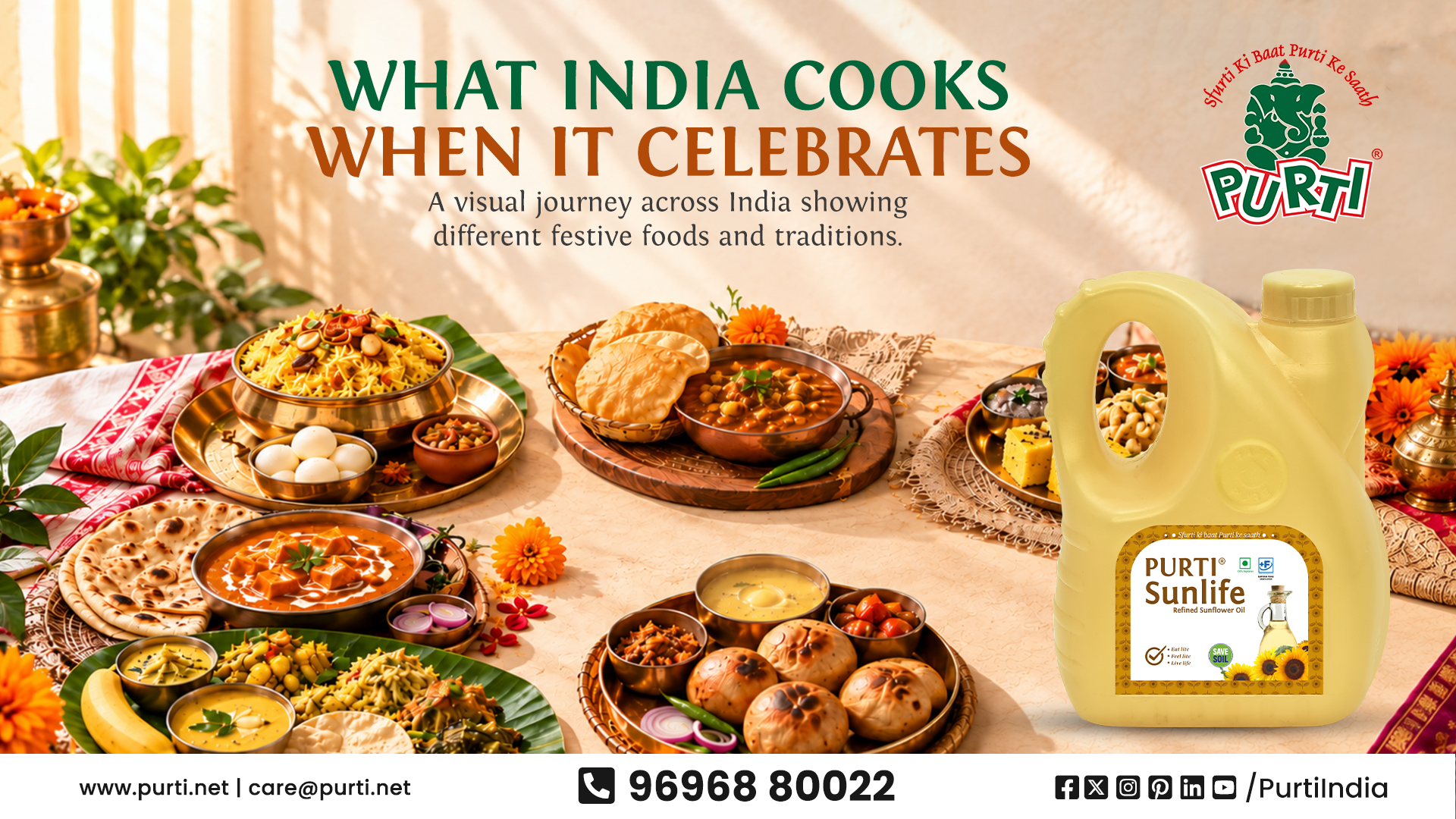
India celebrates in many languages, colours and traditions. But there is one language almost every celebration understands: food.
From the elaborate feasts of Onam to Durga Pujo bhog, from modaks made for Ganesh Chaturthi to festive sweets prepared during Diwali, food is an essential part of how India celebrates. Every region has its own ingredients, recipes and rituals, yet they all share one beautiful idea: food brings people together.
Every Region Has a Food Story
Travel across India during festival season and you will find a different celebration in almost every kitchen.
In West Bengal, Durga Puja brings traditional dishes such as bhog, luchi, vegetables and sweets to the festive table. In Kerala, Onam is celebrated with an elaborate Sadya, where rice is served with an assortment of curries, vegetables, pickles and payasam on a banana leaf.
In Tamil Nadu, Pongal celebrates the harvest with a dish made using rice, milk and jaggery. In Maharashtra, Ganesh Chaturthi is closely associated with modak, a beloved festive sweet prepared in different ways across homes.
Then comes Diwali, when kitchens across the country fill with sweets and savouries made for family, friends and guests.
These traditional Indian festival foods may look completely different from one another, but each carries a piece of its region's culture.
The Common Ingredients Behind Different Celebrations
What makes Indian festival food so fascinating is how familiar ingredients can create completely different culinary experiences.
Rice, lentils, flour, vegetables, spices, jaggery and cooking oil appear across Indian kitchens, but every region uses them in its own way.
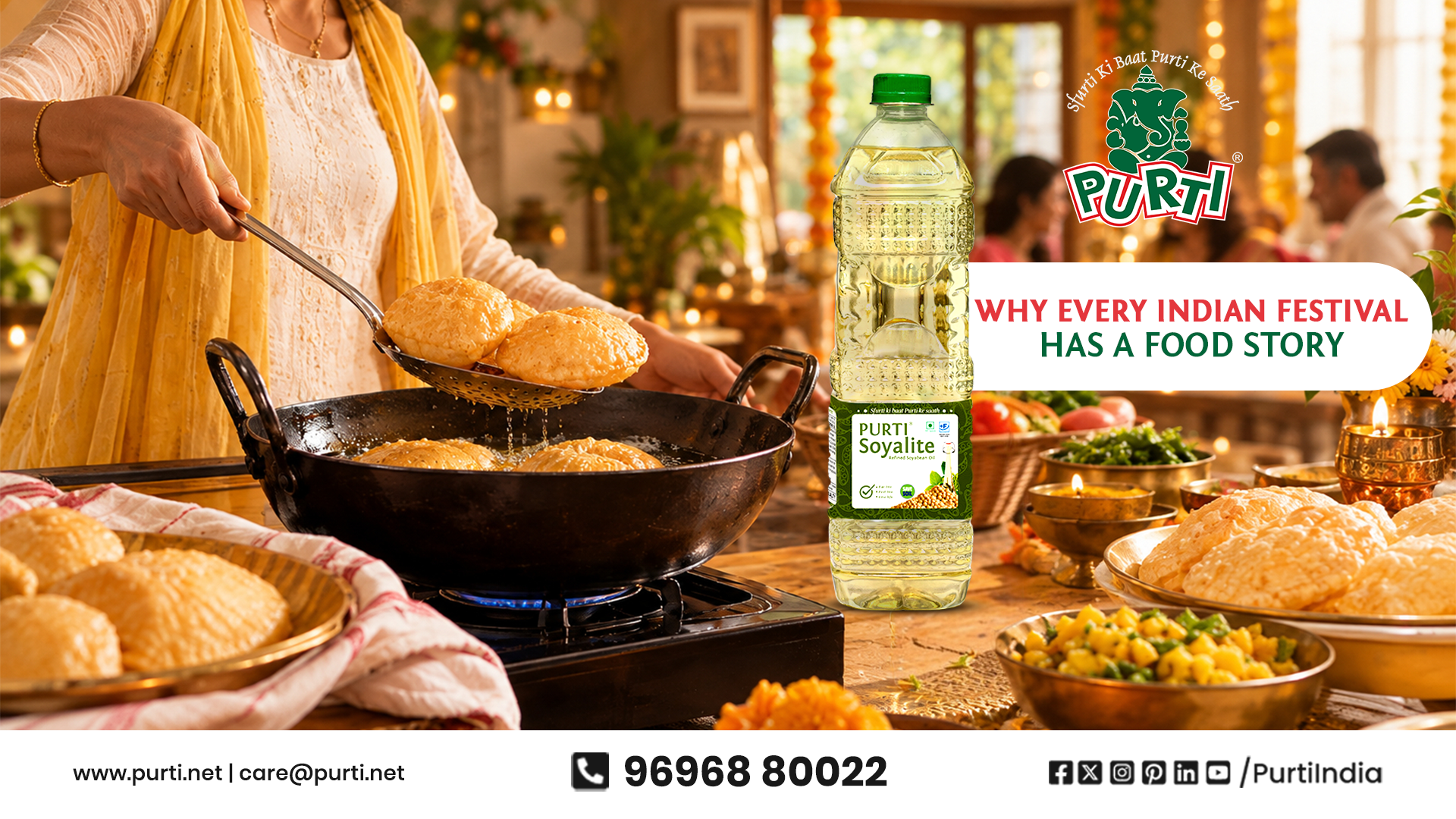
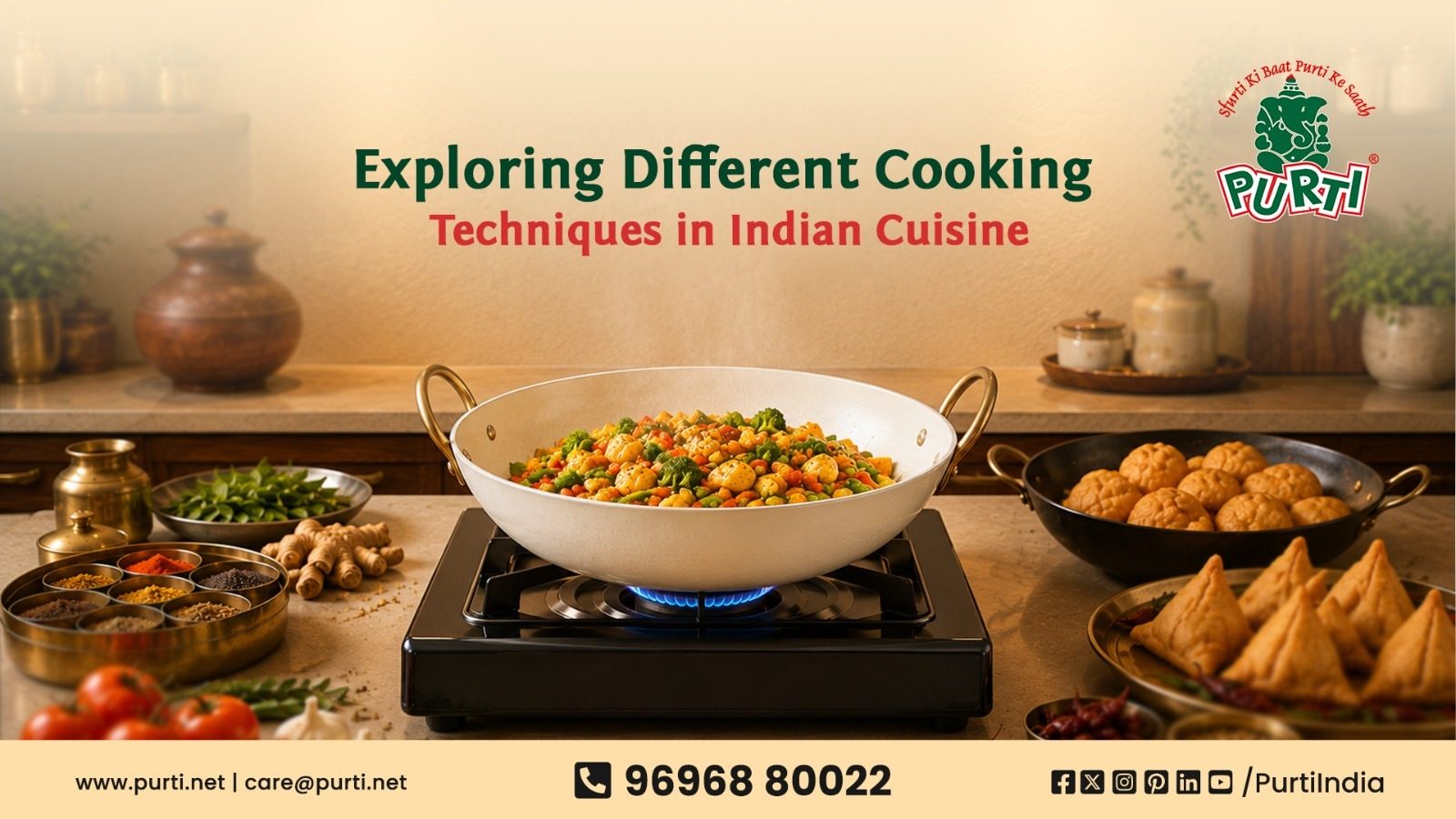
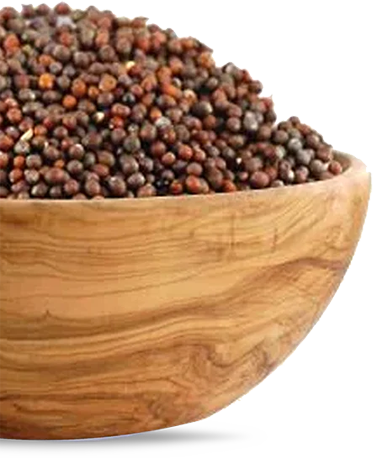
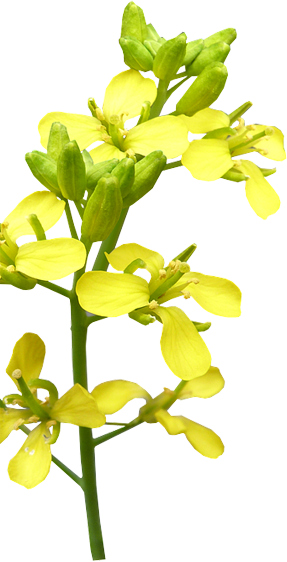
Cooking oil plays an important role in many festive recipes. It helps create the crisp texture of snacks, brings out the aroma of spices and gives fried foods their familiar golden finish. From puris and pakoras to festive savouries and everyday vegetable preparations, oil is often one of the quiet essentials behind a celebratory meal.
This is where Purti edible oil becomes part of the festive kitchen. Whether a family is frying snacks for guests, preparing puris for a special meal or sautéing vegetables and spices for a traditional recipe, Purti cooking oil helps make these familiar cooking moments possible.
The festival may change from state to state, but the joy of cooking something special remains the same.
Different Recipes, One Reason to Gather
The best part of Indian festival food is that it is rarely cooked only for oneself.
Festive cooking means making an extra batch because relatives are visiting. It means keeping snacks ready for unexpected guests. It means sharing sweets with neighbours and sending a plate of food to someone who could not join the celebration.
The kitchen becomes a place where generations meet. A family recipe is passed down. A familiar cooking technique is taught to the next generation. Someone prepares the ingredients while someone else stands beside the kadai, cooking with the Purti oil that has become part of the process.
And eventually, everything comes together at the table.
One Country, Many Kitchens
India's regional cuisine and festival recipes are a celebration of diversity. Every state has its own flavours, ingredients, cooking traditions and festive rituals.
Yet food connects them all.
Different dishes. Different traditions. Different kitchens.
One common table.
Because India does not simply celebrate its festivals through rituals. It cooks them, shares them and remembers them through food.
And whether it is the sizzle of Purti oil in a kadai, the aroma of spices filling a kitchen or a plate being passed across the dining table, every festive meal carries the same message:
There is always room at the table for one more.