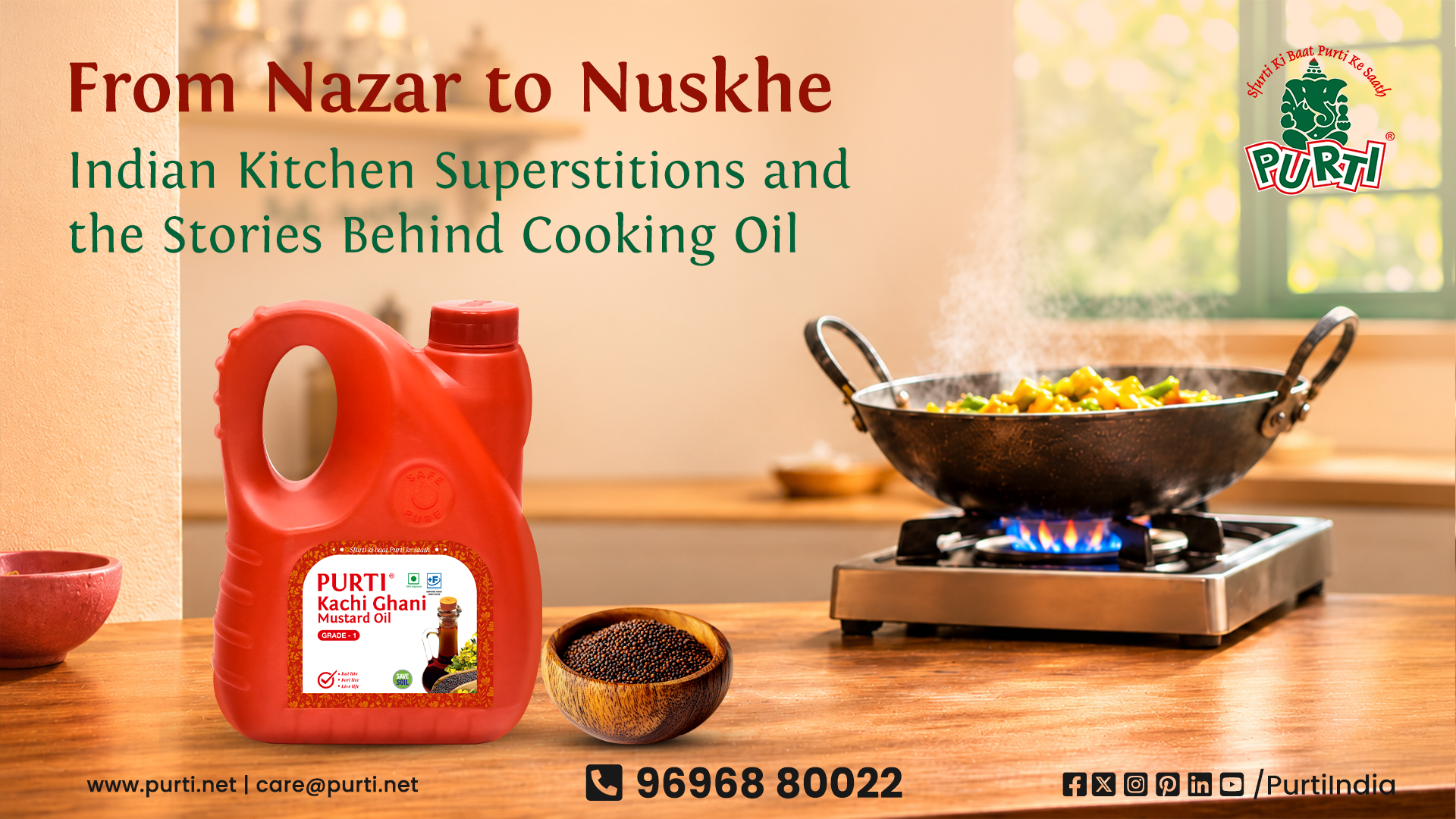
A Pinch of Belief, a Spoonful of Tradition
Every Indian kitchen has its own little universe of beliefs. Some are passed down by grandmothers while stirring a pot of dal; others are remembered through festive rituals, family customs and the familiar sounds of a meal coming together. From the belief that wasting rice invites misfortune to the practice of adding a particular tempering to a dish, these traditions have travelled through generations, often without anyone stopping to ask where they began.
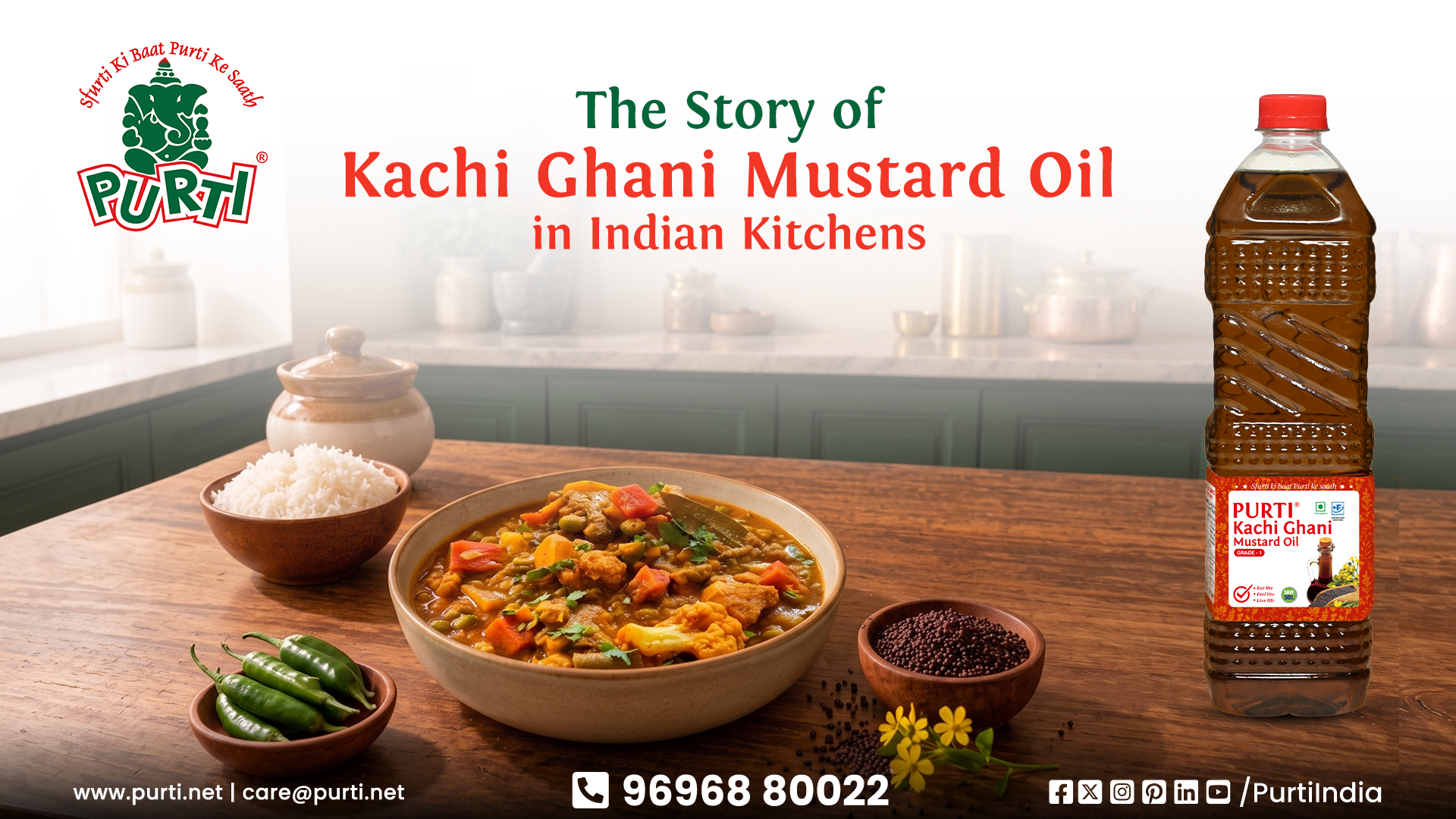
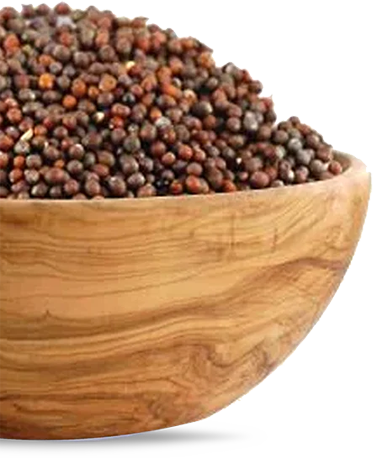
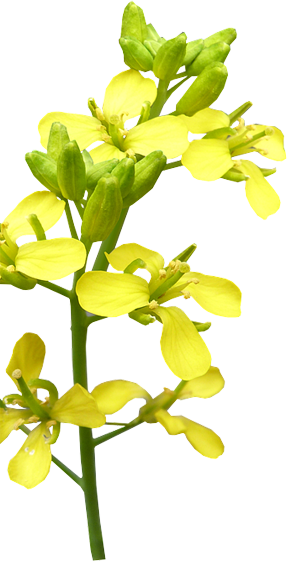
And then there is cooking oil. An everyday kitchen essential, it has also found a place in Indian customs, religious ceremonies and traditional household practices. Mustard oil, with its distinctive aroma, golden hue and strong regional associations, is particularly woven into the culinary and cultural fabric of many Indian households.
But how much of what we believe about food and oil comes from practical wisdom? How much belongs to faith, folklore and the stories we inherit?
Let us step into the fascinating world of Indian kitchen superstitions, where every ritual has a story and every familiar ingredient may hold a little piece of history.
1. Mustard Oil and the Rituals of Prosperity
Beyond cooking, mustard oil also appears in certain regional and religious traditions. In some communities, oil lamps are lit during prayers and festivals, while mustard oil may be used in particular rituals associated with protection, auspicious beginnings or warding off negative influences. Practices vary considerably between regions, families and religious traditions.
Mustard oil's association with auspicious occasions is also connected to its everyday importance. For generations, it has been used to prepare festive dishes, pickles and family favourites. In households where it is a staple, its presence in the kitchen can be as familiar as the spices kept beside the stove.
2. Oil and Nazar
The belief in nazar, or the evil eye, is found in different forms across India. Many families have their own ways of expressing concern for a loved one, particularly a child. Depending on the region and community, these practices may involve salt, chillies, lemon or oil.
In some folk practices, oil is incorporated into rituals intended to symbolically remove or deflect negative influences. Such customs are often performed with sincere affection and a desire to protect someone from harm.
Over time, these practices become part of family memory. A ritual performed by a grandparent may be remembered long after its original explanation has faded, becoming one of those traditions that makes a household feel uniquely its own.
3. The First Spoonful of Oil
In many Indian kitchens, the moment oil meets a hot pan signals the beginning of something wonderful. Mustard seeds crackle, curry leaves release their aroma, dried chillies darken and spices begin to bloom. Before the vegetables or lentils even enter the pan, the kitchen has already announced what is coming.
Across generations, cooks have developed precise ways of heating oil and adding spices. Some insist that the oil must be sufficiently hot before mustard seeds are added; others know exactly when to lower the flame so that the spices release their fragrance without burning.
These instructions may sometimes sound like unbreakable kitchen rules. Yet many are rooted in practical cooking experience. Heating influences how spices release flavour and aroma, while the timing of each addition affects the final dish.
Mustard oil, in particular, has a strong flavour that makes it an important component of certain regional preparations. Its characteristic taste is central to many pickles, fish dishes, vegetable preparations and traditional recipes.
4. Why Is Oil Associated With Auspicious Beginnings?
Oil has a place in several Indian celebrations and ceremonies, from festive lamps to traditional preparations made for special occasions. In some communities, oil is also used in pre-wedding customs or other rites of passage.
These associations are not identical across India. Their meanings depend on local beliefs, family practices and the occasion being celebrated.
One reason oil appears so frequently in everyday and ceremonial life is its versatility. It can illuminate a lamp, preserve a pickle, enrich a meal or form part of a customary ritual. An ingredient that serves so many purposes naturally becomes woven into the rhythm of household life.
Mustard oil, in particular, is closely associated with the food cultures of Bengal, Bihar, Odisha, Assam and other regions, although preferences and culinary practices vary from place to place. Its importance in these kitchens gives it a presence that extends beyond any single recipe.
5. The Grandmother's Nuskha
Every family seems to have a collection of kitchen rules that nobody questions. Never let the tempering burn. Store pickles carefully. Use the right oil for the right preparation. Follow the recipe as your grandmother taught you.
Some of these instructions are matters of taste and personal preference. Others reflect valuable observations accumulated over years of cooking.
For instance, oil helps carry fat-soluble flavour compounds from certain spices into a dish. It also contributes to texture and mouthfeel. In pickling, oil can form part of a preservation method, although safe preservation depends on the complete recipe, suitable acidity, hygiene and storage conditions—not oil alone.
The choice of cooking oil matters, too. Different oils have different flavour profiles and compositions, making them suitable for different culinary applications. Mustard oil's distinctive pungency, for example, gives many regional dishes their unmistakable character.
Of course, tradition should not replace food safety. Repeatedly overheating or reusing cooking oil can cause undesirable chemical changes, and oil should always be handled and stored appropriately.
Keeping the Stories, Understanding the Science
Indian kitchen traditions are rarely just about ingredients. They carry memories of people, places, seasons and celebrations. A grandmother's insistence on finishing every grain of rice, a family's familiar mustard oil recipe or a ritual performed before a festival may each tell a different story about how people understand food and its place in their lives.
Not every superstition needs to be accepted as fact, and not every old practice should be dismissed as meaningless. Some customs preserve practical knowledge; others offer comfort, continuity and a sense of belonging.
The beauty lies in knowing the difference.