Freedom from myths – top 5 lies we believe about cholesterol & oil + how much oil should you really use daily?
Learn the truth behind common cholesterol and cooking oil myths. This blog explains the role of healthy fats like MUFA and PUFA, the importance of moderation, and FSSAI’s recommended daily oil intake. Discover smart cooking tips to balance traditional fats and oils, helping you maintain a healthier lifestyle without compromising taste.
Part 1: Top 5 Myths About Cholesterol & Cooking Oil
Myth 1: All Fats Are Bad
Fact: Not all fats are the same. Our body needs healthy fats like MUFA (monounsaturated) and PUFA (polyunsaturated) for brain and heart function.
Myth 2: “Cholesterol-Free” Means Healthy
Fact: A “cholesterol-free” label only tells part of the story. If the oil is high in saturated fat, it may still not be the best for regular use.
Myth 3: Ghee and Butter Should Be Avoided Completely
Fact: Ghee and butter are traditional, nutrient-rich fats. When used in small amounts, they can add flavour and richness. It’s about quantity, not elimination.
Myth 4: Coconut Oil Is Unhealthy
Fact: Coconut oil has a unique fat profile. Coconut oil is high in saturated fat. It also contains medium-chain triglycerides (MCTs), which are metabolised differently. Like all traditional fats, it should be used in moderation.
Myth 5: Using More Oil Makes Food Taste Better
Fact: Excess oil doesn’t always mean better flavour. A small amount of the right oil, used smartly, can do the job without extra calories.
Part 2: How Much Oil Should You Use Daily?
Too much oil can lead to weight gain and heart strain. Too little, and you miss out on essential nutrients.
FSSAI Recommendation:
20-25g (about 4-5 teaspoons) of visible oil per person per day.
This includes:
– Oil used in cooking (dal, curry, roti, greasing, etc.)
– Salad dressing or tadka
– Added fat like ghee or butter
Tips to Stay Within the Limit:
– Use a spoon to measure oil instead of pouring directly
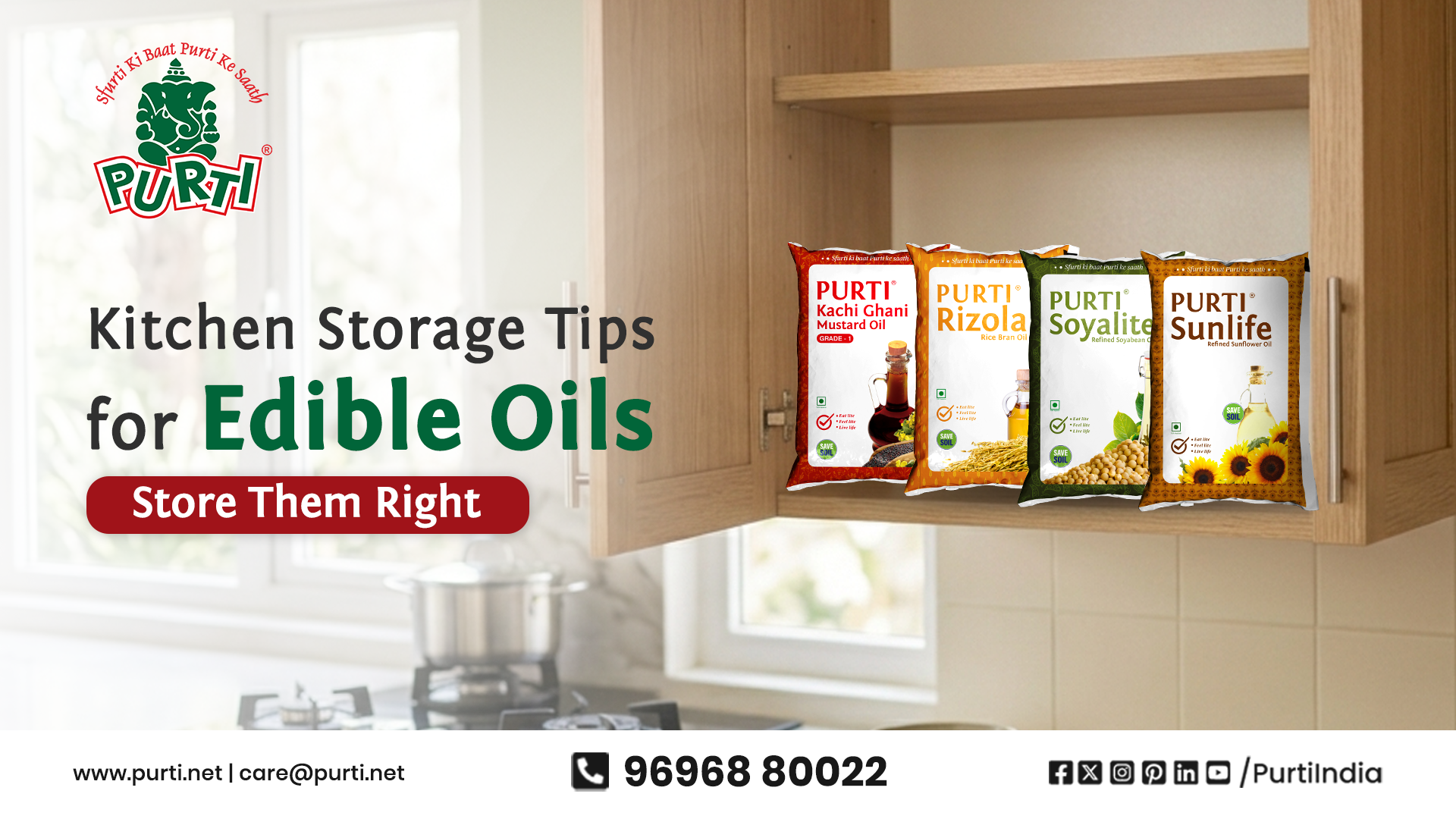
– Rotate between oils like mustard, sunflower, soybean, and rice bran
– Use ghee or coconut oil for special dishes or in small amounts
– Avoid deep frying often
– Track how much oil is used per dish
Tip of the Week:
“Your body needs oil, not overload. Use smart, cook light.”
Coming Up Next Week:
“What Makes Our Oil Cholesterol-Free – Behind the Blend”
Till then, eat smart, feel light.
Video Link: https://youtu.be/aouocApYI5g
Disclaimer: This article is for informational purposes only and is not a substitute for professional medical advice. Always consult a healthcare professional or a registered dietitian before making significant changes to your diet or health regimen. The products mentioned are part of a balanced diet and a healthy lifestyle.