A familiar Indian kitchen can sound like a symphony. Mustard seeds begin to crackle in a pan, onions sizzle gently, spices release their aroma, and somewhere nearby, a curry simmers slowly.
These moments are shaped by cooking techniques that have been passed through generations and adapted across regions. The ingredients may sometimes be similar, but the method can completely change the final dish.
Whether it is a simple weekday meal or a festive preparation, knowing how and when to use different techniques can make the cooking process easier to understand.
What Is Tempering or Tadka in Indian Cooking?
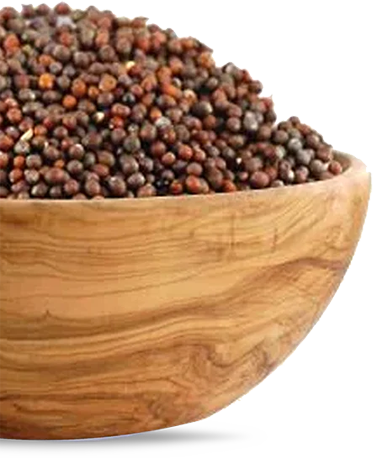
Tempering, also known as tadka, tarka or phoron in different parts of India, is a cooking technique in which spices and aromatics are briefly heated in a cooking medium.
Depending on the recipe and regional tradition, tempering may include ingredients such as cumin seeds, mustard seeds, dried chillies, curry leaves, garlic or hing. The prepared tempering may be added to dals, vegetables and other dishes, or it may form the starting point of a recipe.
Why Is Timing Important When Tempering Spices?
Tempering is usually a quick process, which is why preparation matters. Different ingredients may require different cooking times, and following the sequence mentioned in a recipe can help achieve the intended result.
A simple tadka demonstrates how a few familiar ingredients and a particular cooking method can contribute to the distinctive character of a dish.
How Is Sautéing Used in Everyday Indian Cooking?
Sautéing involves cooking ingredients in a pan while stirring or turning them regularly. It is commonly used when preparing onions, vegetables, aromatics and other ingredients that form the base of Indian dishes.
Many curries begin with a familiar sequence: ingredients are added gradually, cooked according to the recipe and combined to create the base for the dish.
The choice of cooking medium can vary depending on the recipe and individual preference.
What Is the Difference Between Shallow Frying and Deep Frying?
While both techniques involve frying, the amount of cooking medium and the cooking process are different.
Shallow Frying
Shallow frying uses a relatively smaller quantity of cooking medium, with the food turned during cooking as required. Preparations such as tikkis, cutlets and certain regional dishes may use this technique.
Deep Frying
Deep frying involves cooking food immersed in hot cooking medium. It is commonly used for a variety of traditional snacks and festive preparations across India.
For either method, following the recipe and handling hot cooking equipment carefully is essential. Managing the heat according to the recipe can also influence the final result.
How Do Roasting and Simmering Shape Indian Dishes?
Indian cooking is not always about quick, high-heat techniques. Some dishes depend on patience.
Dry roasting generally involves heating ingredients without adding a cooking medium. Spices, grains or other ingredients may be dry roasted according to a recipe to develop their aroma or achieve the desired preparation.
Simmering involves cooking food gently over a longer period at a lower level of heat than boiling. Curries, dals and gravies may be simmered to allow ingredients to cook gradually and flavours to combine as intended in the recipe.
These slower techniques bring a different pace to the kitchen and are an important part of India's diverse cooking traditions.
Why Does the Cooking Technique Matter?
The same ingredient can be prepared in several ways. A vegetable may be sautéed, roasted, shallow fried or simmered in a curry, with each method creating a different texture and preparation style.
Cooking techniques can influence:
-
Texture – such as soft, crisp or lightly browned results
-
Aroma – depending on the ingredients and method used
-
Appearance – including colour and surface finish
-
Cooking time – some methods are quick, while others require more time
-
The final preparation – the method helps create the result intended for a particular recipe
There is no single technique suited to every dish. The appropriate method depends on the recipe, ingredients and the type of preparation being made.
5 Practical Tips for Trying Different Cooking Techniques at Home
Understanding the basics can make experimenting with recipes feel less intimidating. Here are a few practical habits to try.
1. Read the Recipe Before You Begin
Check the cooking method and sequence of ingredients before heating the pan. This can be especially useful for techniques such as tempering, where ingredients may be added in quick succession.
2. Keep Ingredients Ready Before Cooking
Chopping vegetables and measuring ingredients beforehand can make the cooking process more organised, particularly when working with techniques that require regular attention.
3. Follow the Recommended Heat and Cooking Time
Different techniques require different levels of heat and timing. Following the recipe instructions can help achieve the intended preparation.
4. Give Ingredients Enough Space in the Pan
Overcrowding can make stirring and handling ingredients more difficult. Using an appropriately sized pan can make the cooking process easier to manage.
5. Select Products According to the Recipe and Intended Use
Consider the recipe, cooking method, personal preferences and product information when choosing ingredients for your kitchen. Always follow the instructions and information provided on the product label.
From Everyday Tadka to Frying, Every Technique Has Its Place
Indian cuisine is shaped by variety not just in ingredients and flavours, but also in the ways food is prepared. The fragrant tempering added to a bowl of dal, the gradual sautéing of a curry base and the careful preparation of foods all reflect different approaches to cooking.
Learning about these techniques does not mean making everyday cooking more complicated. It simply helps us understand the steps behind the dishes we prepare and enjoy.
From familiar family recipes to new culinary experiments, understanding different cooking techniques can help you approach recipes with greater confidence.
Visit www.purti.net to explore Purti's product range and learn more about the brand.