A Season of New Beginnings and Familiar Flavours. Across India, this time of the year brings a wave of new beginnings.
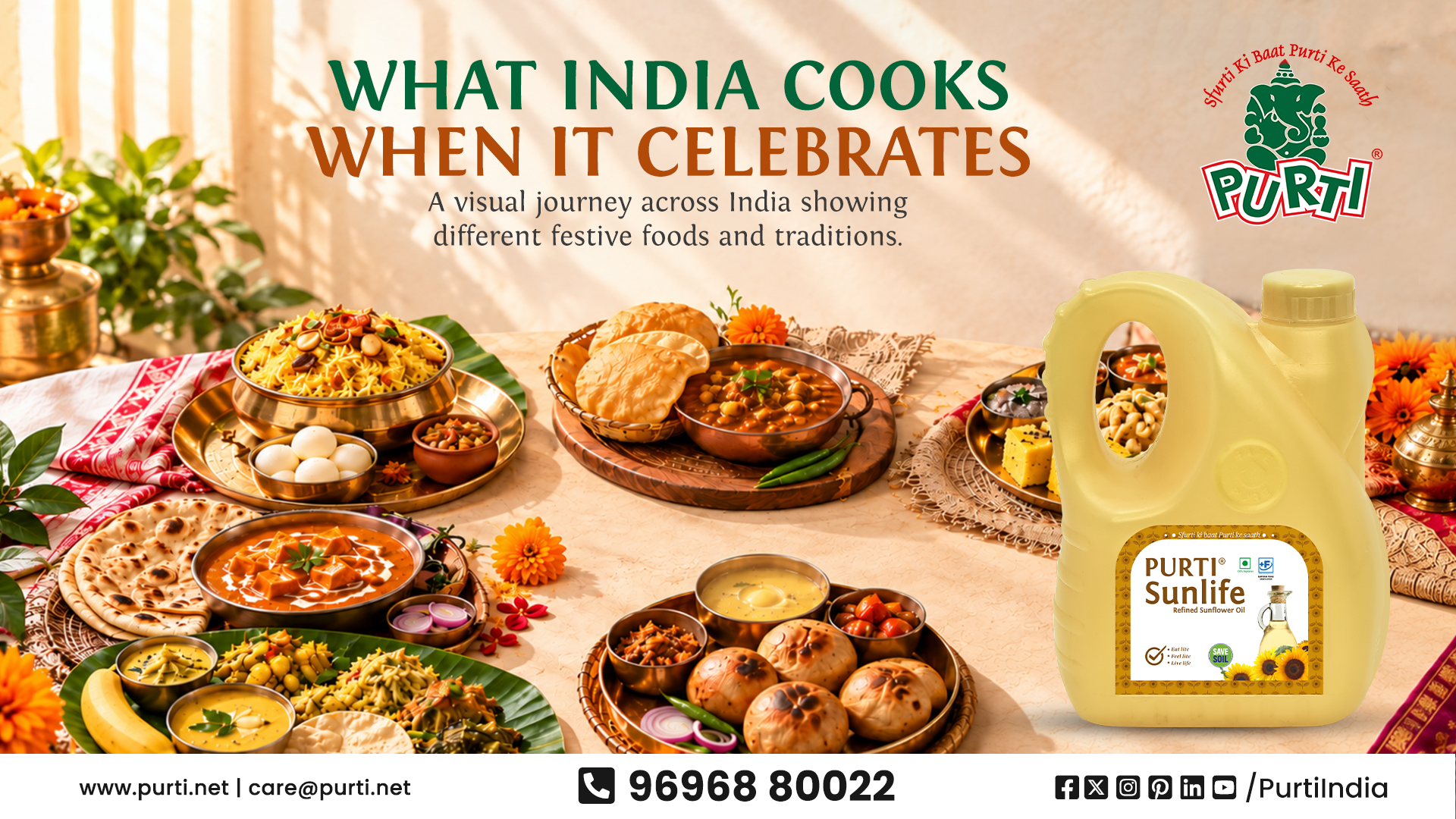
From Pohela Boishakh in West Bengal to Baisakhi in Punjab, from Puthandu in Tamil Nadu to Vishu in Kerala, along with Bohag Bihu in Assam and Pana Sankranti in Odisha, each festival marks not just a new calendar cycle but a renewed connection with food, family, and tradition. And in every celebration, one thing quietly brings everything together - the kitchen.
The Heart of Every Indian Kitchen
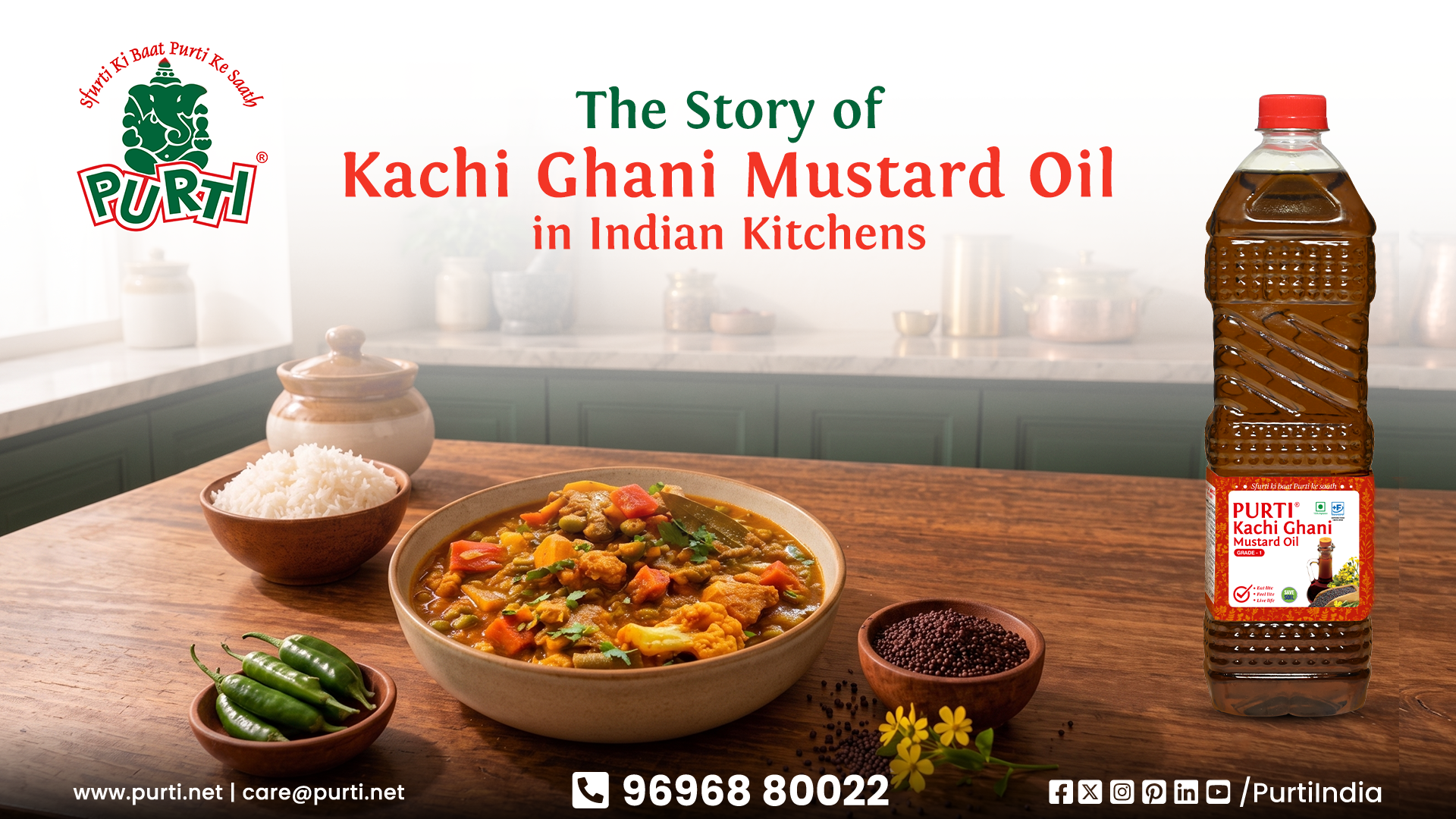
Indian kitchens are as diverse as the country itself. From the mustard-rich curries of the East to the coconut-infused dishes of the South, from slow-cooked dals in the North to lightly sautéed vegetables in the West, every region has its own rhythm, its own methods, and its own flavour identity.
Yet, despite this diversity, one element remains constant across homes:
The role of cooking oil in everyday preparation. Not as the centrepiece, but as the medium that carries flavours, supports cooking techniques, and connects ingredients.
How a Cooking Oil Becomes a Household Staple
No cooking oil becomes a part of Indian homes overnight.
It happens gradually, through everyday use, through repeated meals, through quiet approval at the dining table.
Families begin to notice:
- - How the oil behaves in different cooking methods
- - Whether it fits into their daily cooking style
- - How easily it adapts across recipes
- - Tempering spices in dal
- - Cooking vegetables
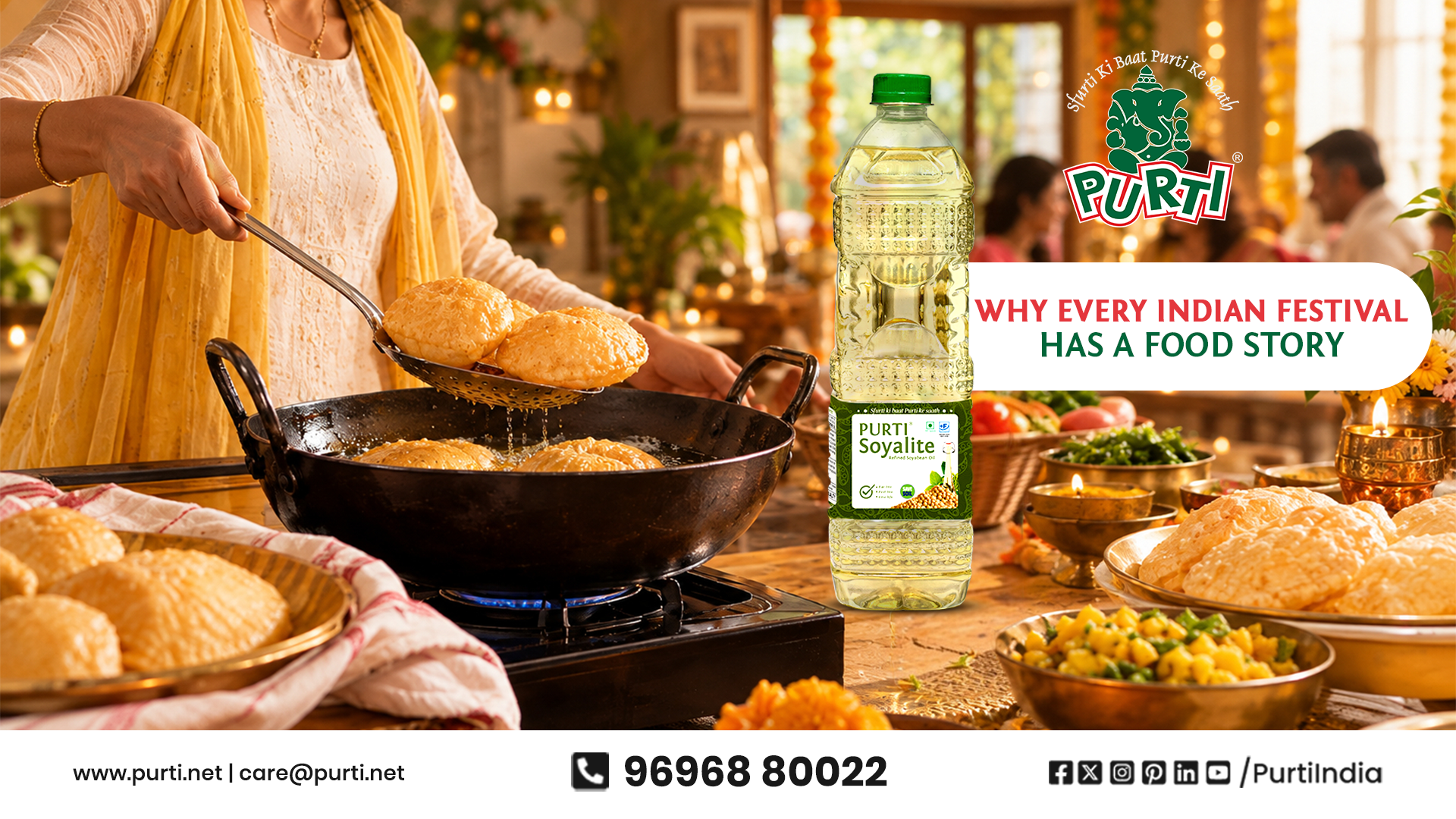
- - Preparing festive snacks
- - Light sautéing or roasting
- - Grandparents prefer traditional recipes.
- - Parents balance convenience and routine.
- - Younger members explore new dishes and techniques.
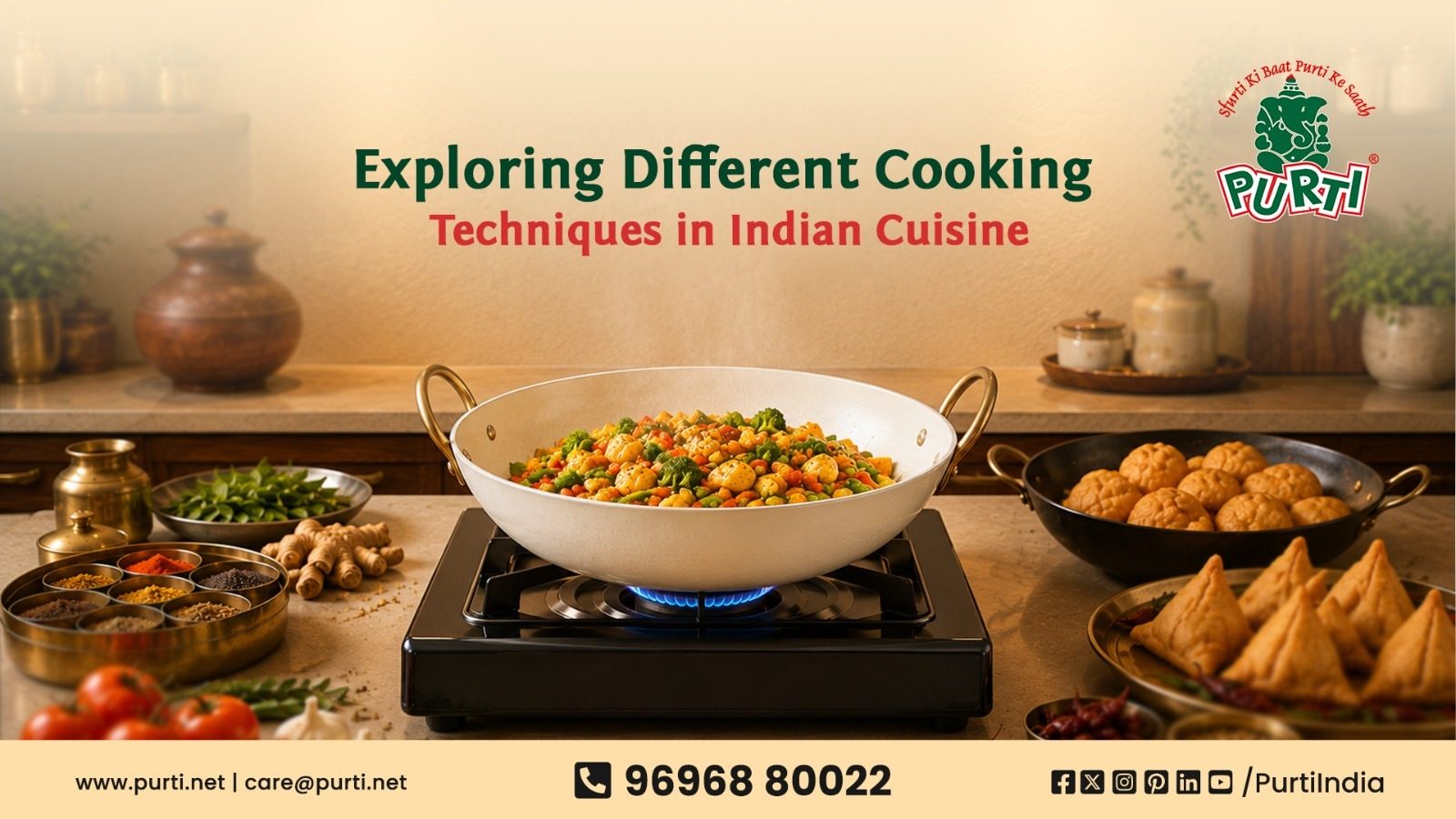
- - In how ingredients are cooked
- - In how flavours are brought together
- - In how recipes are executed
- - Consistency in quality
- - Suitability across different cooking methods
- - Respect for India’s diverse food traditions