Introduction: The Real Reason Your Fried Food Isn’t Crispy
There’s nothing more disappointing than biting into what should be a crispy snack, only to find it soft, oily, and soggy. Whether it’s pakoras, fries, or puris, achieving that perfect crunch is not just about the recipe. It’s about understanding the science behind frying. Many home cooks unknowingly make small mistakes that ruin the texture of their food. From choosing the wrong oil to frying at the wrong temperature, these factors directly impact the crispiness. In this blog, we’ll break down the “why” behind soggy fried food and share crispy frying secrets using Purti Soyalite Refined Soybean Oil, so you can elevate your everyday cooking.Understanding the Science of Frying: Why Food Turns Soggy
To master crispy frying, it’s important to first understand what goes wrong. When food is fried, the moisture inside it turns into steam and escapes, creating that light and crispy texture. However, if the oil temperature is incorrect, the food absorbs excess oil instead of releasing moisture. This is why your snacks end up greasy instead of crispy. Common Causes of Soggy Fried Food:- - Oil is not hot enough
- - Overcrowding the pan
- - Using the wrong type of oil
- - Not draining excess oil properly
Best Oil Temperature for Frying: The Key to Crispy Perfection
One of the most important factors in achieving crispiness is maintaining the right oil temperature for frying. If the oil is too cool, food absorbs more oil and becomes soggy. If it’s too hot, the outside burns while the inside remains undercooked. Ideal Temperature Range:- - 160°C to 180°C is considered the best oil temperature for deep frying
- - If it sinks and rises slowly, the oil is too cold
- - If it rises immediately with bubbles, it's the perfect temperature
- - If it burns instantly, the oil is too hot
Choosing the Right Oil Type: Why It Matters More Than You Think
Not all oils are created equal, especially when it comes to frying. The best oil for crispy frying should have:- - A high smoke point
- - Neutral flavor
- - Light texture
- - A high smoke point makes it ideal for deep-frying
- - Light consistency prevents excessive oil absorption
- - Neutral taste keeps the original flavor of food intact
Prepping Food the Right Way for Crispy Results
Even before your food hits the oil, preparation plays a big role in achieving that perfect crisp. Key Preparation Tips:- - Dry ingredients properly: Moisture leads to sogginess
- - Use cornflour or rice flour for extra crispiness
- - Avoid overly thick batter
- - Marinate wisely; too much liquid can ruin the texture
Avoid Overcrowding: Give Your Food Space to Fry
One of the most common mistakes is adding too many items into the pan at once. When you are overcrowded:- - Oil temperature drops suddenly
- - Food cooks unevenly
- - Crispiness is compromised
The Right Frying Technique: Small Changes, Big Difference
Perfect frying is not just about ingredients; it's also about technique. Follow These Techniques:- - Always preheat oil properly
- - Turn food occasionally for even cooking
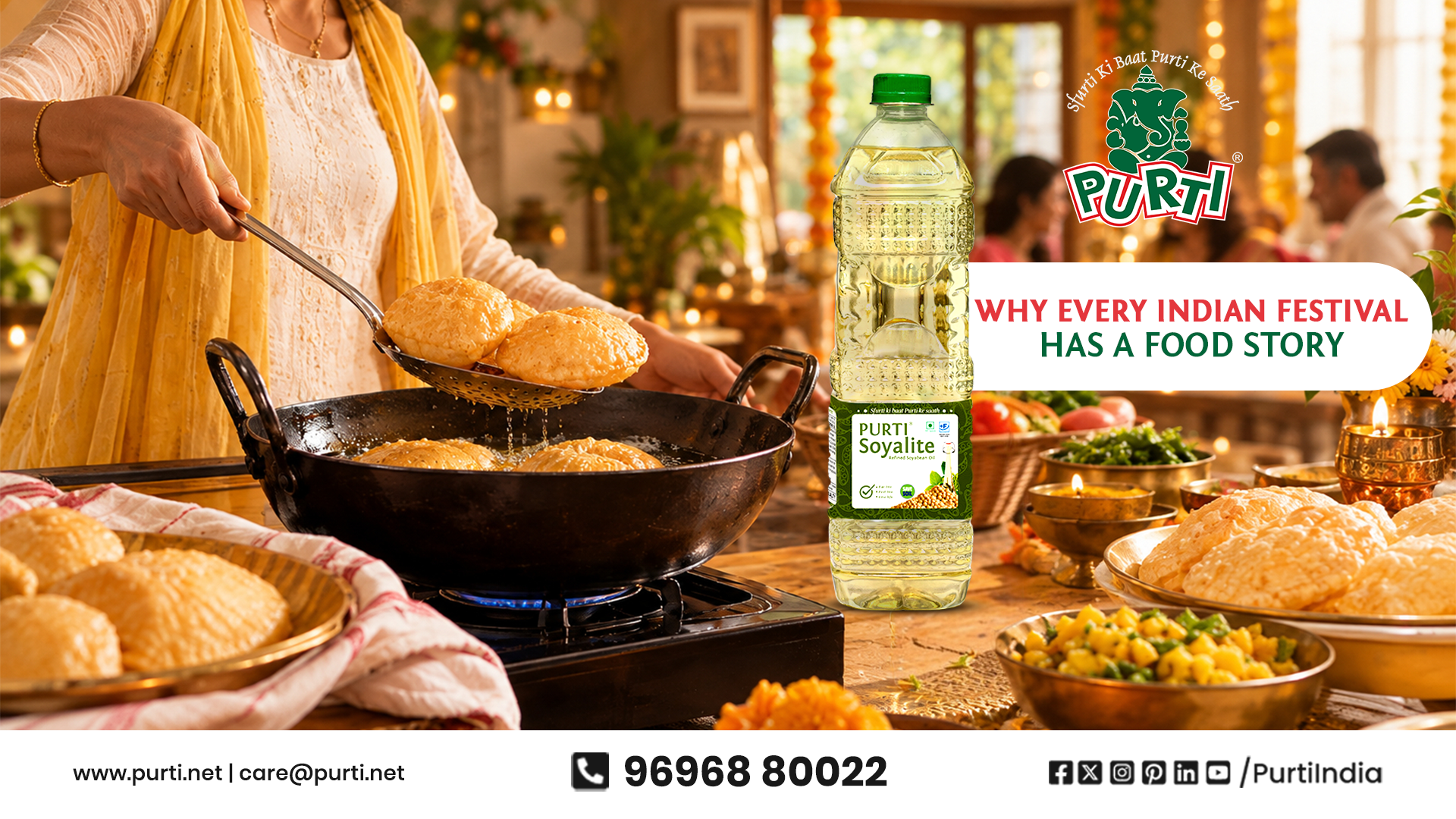
- - Use a slotted spoon to remove excess oil
- - Don’t cover freshly fried food (traps steam and causes sogginess)
Draining & Serving: The Final Step to Keep Food Crispy
Even after frying, how you handle the food matters. Do This:- - Place fried items on paper towels to absorb excess oil
- - Use a wire rack instead of stacking food
- - Serve immediately for the best texture
Reusing Oil the Right Way: Maintain Quality & Taste
Reusing oil is common, but it must be done carefully. Tips for Reusing Oil:- - Strain oil after use to remove food particles
- - Avoid overheating reused oil
- - Do not mix different types of oils
Quick Checklist: Crispy Frying Secrets at a Glance
- - Maintain the best oil temperature for frying (160 - 180°C)
- - Use the best oil for deep frying like refined soybean oil
- - Avoid overcrowding the pan
- - Prep food properly with minimal moisture
- - Drain excess oil effectively