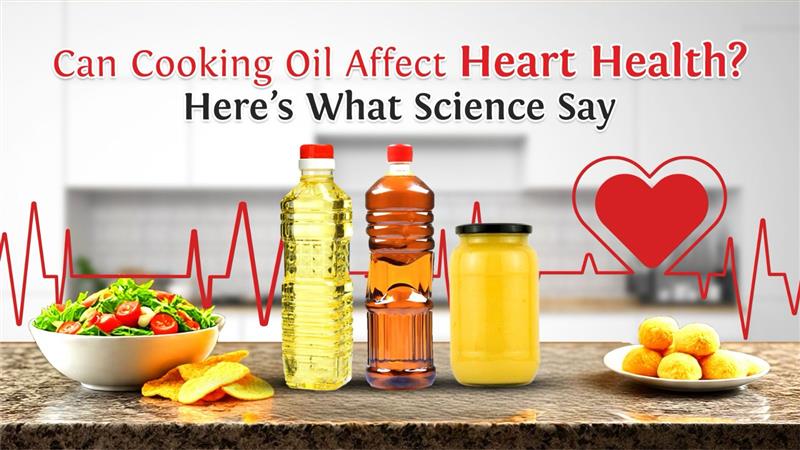
We often hear that cooking oil affects heart health, but how true is that? Does it mean we have to stop using traditional fats like ghee, butter, coconut oil, or full-fat dairy?
This week, let’s understand what science says about oil and the heart – in simple, balanced terms.
The Heart and Fat Connection
Your heart needs healthy fats. Fats help absorb vitamins and produce hormones. But the type and amount of fat matter.
Excess consumption of unhealthy fats – particularly trans fats and very high levels of saturated fat – may contribute to higher LDL (bad) cholesterol, which is linked with increased risk of heart-related concerns.
However, not all saturated fats are harmful when consumed in moderation. Traditional fats like ghee, coconut oil, and butter can be part of a wholesome diet – the key is balance and variety.
How Cooking Oils Help
Plant-based oils that are low in saturated fat and high in good fats (MUFA and PUFA) are often linked to better heart health.
Examples include:
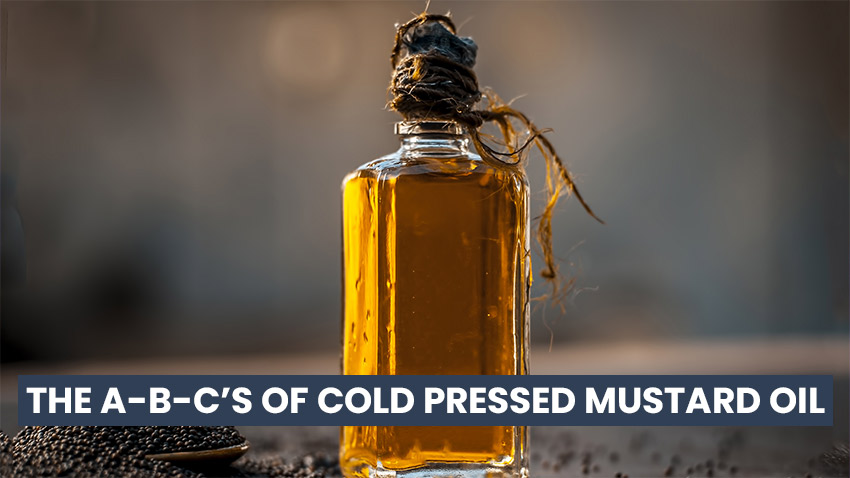
- Mustard oil
- Sunflower oil
- Soybean oil
- Rice bran oil
These oils help maintain cholesterol levels and support a heart-friendly cooking approach.
It’s About Rotation, Not Restriction
Instead of avoiding one type of fat, it’s better to rotate oils throughout the week.
For example:
- Mustard oil for sautéing
- Sunflower oil for frying
- A spoon of ghee in dals or rotis
This provides your body with a wider range of nutrients and flavours.
Tips for a Heart-Healthy Kitchen
- Use measured oil: About 3-5 teaspoons per person per day
- Choose oils with low saturated fat for regular use
- Enjoy traditional fats like ghee or coconut oil in moderation
- Avoid the reuse of cooking oil
- Combine oil rotation with exercise, fibre-rich foods, and an active lifestyle.
Tip of the Week:
“It’s not about giving up any oil – it’s about using the right one in the right way.”
Coming Up Next Week:
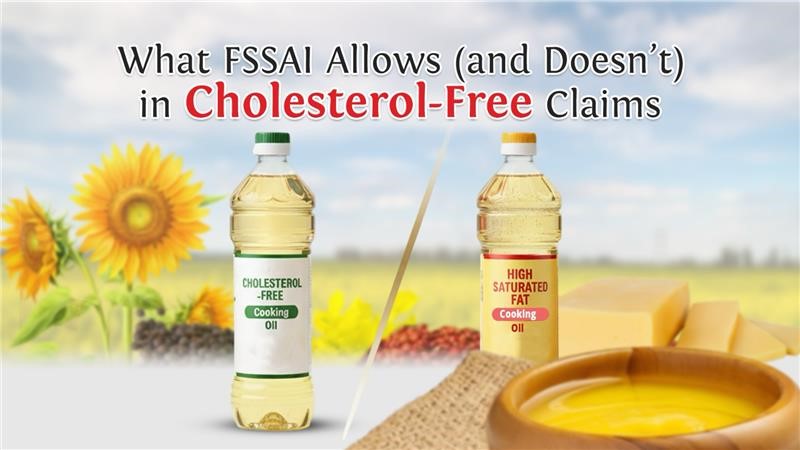
We’ll finally answer the common question – What FSSAI Allows (and Doesn’t) in Cholesterol-Free Claims. Till then, stir smart, stay light.
Video Link: http://bit.ly/46pcRD3
Disclaimer: This article is for informational purposes only and is not a substitute for professional medical advice. Always consult a healthcare professional or a registered dietitian before making significant changes to your diet or health regimen. The products mentioned are part of a balanced diet and a healthy lifestyle.